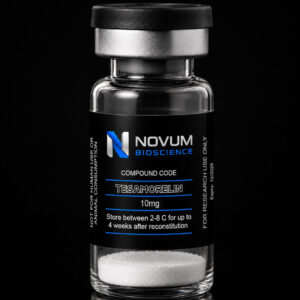
Sale!
,

Retatrutide 10mg

Original price was: $125.00.Current price is: $110.00.

Categories: ,

SIDE EFFECTS

Gastrointestinal symptoms are the most common side effects of retatrutide, including nausea (up to 60% at 12 mg), diarrhea (15–33%), vomiting (21–26%), and constipation (11–16%). These effects are dose-dependent and typically peak during dose escalation (weeks 6–8) before subsiding as the body adjusts.

Other notable side effects include dysesthesia (tingling or altered skin sensation, affecting 20.9% at 12 mg), a mild increase in heart rate (5–10 bpm), decreased appetite, and injection site reactions. Serious adverse events occur at rates comparable to placebo (4%), and most participants tolerate the medication well despite initial GI distress

DOSAGES

Retatrutide is an investigational triple-hormone-receptor agonist currently in Phase 2 clinical trials for obesity treatment and is not yet FDA-approved for general clinical use. In clinical trials, the medication was administered via subcutaneous weekly injections with a standard titration schedule starting at 2 mg or 4 mg for the first four weeks, then escalating every four weeks to target doses of 4 mg, 8 mg, or 12 mg.

Clinical Trial Dosing and Efficacy

Standard Protocol: Most participants started at 2 mg weekly (some at 4 mg) and increased to 4 mg at week 4, 8 mg at week 8, and up to 12 mg at weeks 12–16, depending on tolerability.

Gender Differences: Trial data indicates that women often achieve superior weight loss outcomes compared to men across all dose groups, with some sources suggesting fit women may require lower maintenance doses (e.g., ~1–2 mg) than fit men (~2 mg) for metabolic optimization, though clinical targets often aim higher.Maximum Efficacy: The 12 mg weekly dose produced the most significant results in trials, with female participants achieving an average weight loss of 25.3% and male participants 22.8% of body weight over 48 weeks.

Unofficial/Community Dosing Charts Non-clinical sources and peptide vendors often propose specific weekly titration charts that differ from the NEJM Phase 2 trial protocols:

Men: Often suggested to start at 2.5 mg and escalate to 15 mg over 12 weeks (e.g., 2.5 mg → 5 mg → 7.5 mg → 10 mg → 12.5 mg → 15 mg).

Women: Often suggested to start at 2 mg and escalate to 12.5 mg over 12 weeks (e.g., 2 mg → 3.5 mg → 5 mg → 7.5 mg → 10 mg → 12.5 mg), with some recommendations to stop at 8 mg if appetite is controlled due to higher sensitivity.

Important Safety Note: Because retatrutide is not yet approved, there are no standardized dosing guidelines for clinical practice. Dosing in trials was adjusted every 4 weeks based on side effects, primarily gastrointestinal issues like nausea. Consult a healthcare professional for personalized medical advice once regulatory approval is granted.

Novum BioScience Retatrutide 10mg

Retatrutide is a groundbreaking first-in-class triple agonist that targets glucagon receptors, gastric inhibitory polypeptide (GIP), and glucagon-like peptide-1 (GLP-1) receptors simultaneously. This innovative peptide works through a synergistic interaction among these receptors, resulting in increased insulin secretion, improved glucose homeostasis, refined appetite modulation, and enhanced energy expenditure.

Currently in Phase III development for obesity, type 2 diabetes mellitus (T2DM), and non-alcoholic fatty liver disease, retatrutide has demonstrated remarkable efficacy in clinical trials. Phase II trials showed significant weight reduction, with average losses of 17.5% and 24.4% at 24 and 48 weeks respectively. In a recent Phase III trial for type 2 diabetes, retatrutide achieved up to 2% A1C improvement and nearly 17% weight loss in 40 weeks of treatment.

The peptide has also shown potential cardiovascular benefits by improving key risk factors including non-HDL cholesterol, triglycerides, and systolic blood pressure. The most common adverse events reported are consistent with other incretin-based therapies, including nausea and diarrhea, particularly at higher doses. With seven additional Phase III trials expected to complete in 2026, retatrutide represents a promising advancement in the treatment of metabolic disorders.

Reviews

There are no reviews yet.

Be the first to review “Retatrutide 10mg”

Your email address will not be published. Required fields are marked *

Scroll to Top